
Spider-Man, Marvel’s friendly neighbourhood web-slinger, is one of the most popular comic book characters, spanning over 1000+ comic books over the decade since his debut in the 1960s, and is also an IP powerhouse in the superhero genre.
But what about his adventures on the silver screen?
This article discusses how Marvel underestimated Spider-Man’s potential, as the web slinger’s instant spotlight broke several box-office records, and what tech executives can learn from this interesting case.
Let’s Start from the Start
Spidey made his first appearance in the comic world in Amazing Fantasy #15 in 1962, created by Stan Lee and illustrated by Steve Ditko. Both are known as legends in the comic book scene also were the ones to live through the “golden age of comics”. The comic became so successful that they decided to move forward by publishing his adventures in a proper comic, under the title ‘Amazing Spider-Man’, featuring the life of Peter Parker, a Teenage guy with powers. The comic series was successful enough to expand into other media, such as TV shows, animated series, merchandise, and ultimately movies.
How will this help the Tech executives?
Tech Companies often overlook Intellectual Property (IP) and view it as a purely defensive tactic, or, in other words, a legal shield. But the story of Spider-Man shows how IP can be an interesting way for companies to become valuable, revenue-generating assets. Also, understand building relations for future operations. You don’t always need to own IP to outright monetize, license, or use it as leverage.
Marvel’s IP Fire Sale — How Spider-Man Ended up with Sony
In the 1970s & 1980s, Marvel had many releases of Spidey’s action both in theaters and on television; however, they were hit or miss. But some notable ones were the Japanese TV show “Spider-Man,” created by Toei, which had a different spin on the plot; instead of getting bitten by a genetically modified spider, the protagonist, Takuya Yamashiro, receives his powers from an alien. He is out to stop an alien race that wants to rule the planet.
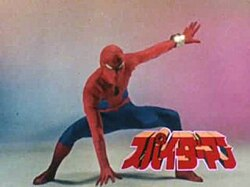
You see him fight monsters, soldiers from the enemy race, and even Kaijus (Japanese for giant monsters, like Godzilla), with his giant robot Leopardon. The series was popular enough that Toei decided to incorporate these elements in their shows moving forward. Besides Kamen Rider, another show gaining popularity back then, this iteration of Spider-Man was one of the works that gave rise to both the “Super Sentai” series (Power Rangers for the global market) and the Tokusatsu genre.
Right around the same time, Marvel tried to approach a new Spider-Man film, but faced many setbacks: scripts not going through, licenses jumping from studio to studio, and eventually multiple lawsuits due to disputes.
In 1998, Marvel managed to retrieve him, although they were almost bankrupt, so they sold the rights for movie production to Columbia Studios, which is under Sony, for $7 million.
IP Insight: IPs can be removed from the portfolio depending on the situation, such as financial pressure or underutilisation of IP. But this can limit future creative flexibility.
Example: like a start-up selling their proprietary AI model but keeping the app’s User Interface.
Sony’s Billion-Dollar Exploitation of Limited IP Rights
When Columbia Studios, or Sony in this case, bought the rights to Spider-Man movies. They acquired much more, complete control over not just Spider-Man but the varied characters from the franchise, which, in a sense, gave them a blueprint on what they could produce for a movie adaptation.
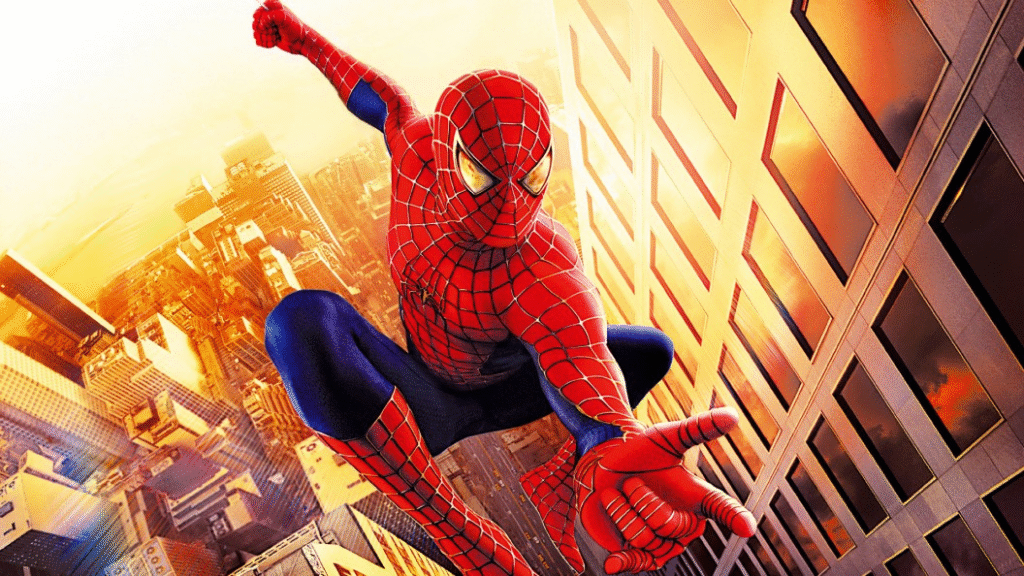
In 2002, a proper Spider-Man movie came to the screen, directed by Sam Raimi and starring a star-studded cast. The movie’s plot was somewhat similar to the actual comics in terms of premise.
The movie was an instant success due to its excellent use of CGI, visual effects, and sound design. It also helped the cast’s reputation, where Toby Maguire was deemed THE Spider-Man because of his role. The success of this movie gave Sony the confidence to create more. Spider-Man 2 and Spider-Man 3, released in 2004 and 2007 respectively, were both successful films. All this helped them develop a movie and merchandise ecosystem due to the limited IP scope under the rights.
IP Insight: Owning the right to distribute and to monetize can be more powerful than creating an underlying IP.
Lesson for Tech Execs: Control the Interface to Value Realization- Think Distributed Platforms, Not Just Creation.
The MCU Needs Spider-Man — Marvel Wants Its IP Back
Building on the previous section, after receiving the third movie, plans were made for a fourth. Unfortunately, it ended up being cancelled due to disagreements in terms of scripts and timeline, and to quote Raimi, “I don’t want to make a movie that is less than great, so I think we shouldn’t make this picture. Go ahead with your reboot, which you’ve been planning anyway.”
In 2012, The Amazing Spider-Man was released, a new reboot solely produced by Sony Entertainment Studios, directed by Mark Webb, and featuring a strong cast, including Andrew Garfield as Peter Parker/Spider-Man. The movie had Spider-Man fight the Lizard and also took creative liberties in aspects such as the setting, the use of gadgets like web shooters, and its excellent CGI.
Following a sequel in 2013 that wasn’t well received by critics or audiences, a third movie was in the works, but it was inevitably cancelled.
Meanwhile, Marvel was coming in swinging with its newly announced Marvel Cinematic Universe (MCU), starting with the release of Iron Man in 2007 (this was before Disney bought Marvel in 2009 for 4$ billion).
Avengers was not only a global hit but also brought Marvel superheroes into the mainstream. But there was a problem: after a couple of releases like Avengers: Age of Ultron, fans were expecting Spider-Man to enter the MCU. In comics and other properties, Spider-Man and the Avengers working separately was quite common. They do come together later with Spider-Man becoming an Avenger, but he still had his own thing in the mentioned continuity. It was a no-brainer for hard-core fans, but this situation was different because Marvel couldn’t proceed without Sony’s cooperation, since Sony held the rights.
IP Insight: Losing control of key IP can limit the ability to innovate, pivot, and expand in strategic planning.
The Unthinkable Deal — Marvel and Sony Co-Own the Screen
Around 2014, rumors spread like wildfire that a new Captain America movie was in the works. It would have a ‘fan favorite’ in it, back then no one didn’t think who would it be and then the trailer dropped for Captain America: Civil War, it was in the last seconds of the trailer with Tony shouting “Underoos”, a web handcuffing cap and snatching the shield away from him, that was the moment where everyone’s jaws dropped because it was Spider-Man proper debut in the MCU, played by young actor Tom Holland.
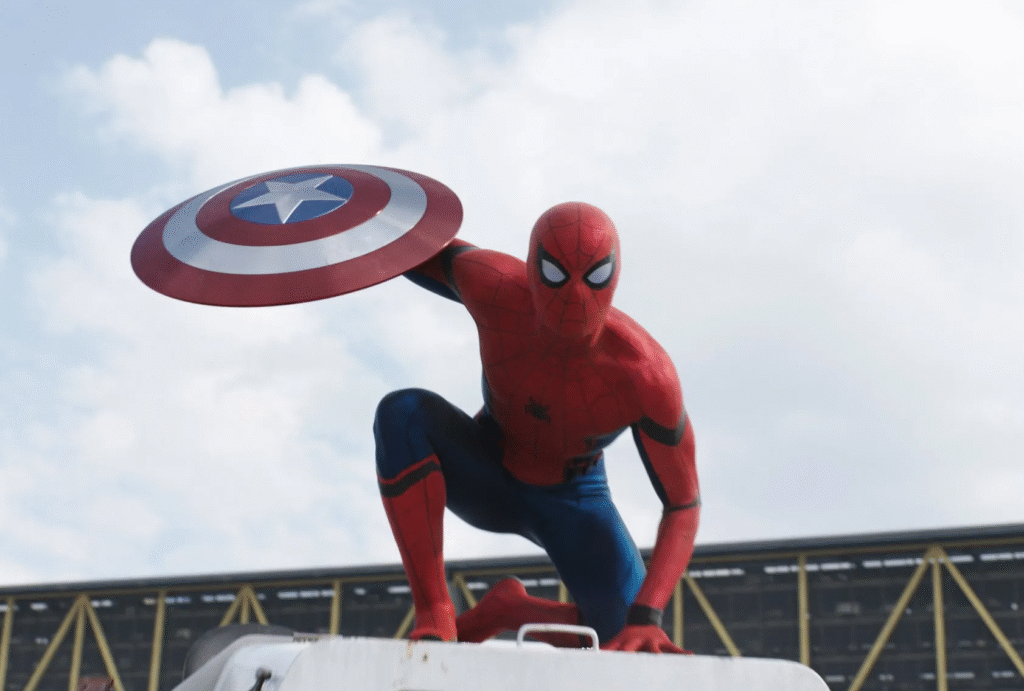
This movie set a new direction for the relationship between Sony and Marvel, with Sony handling distribution and other logistics while Marvel retained creative control over the character. This would continue with the releases of Homecoming in 2016, Far from Home in 2019, and No Way Home in 2021. All movies are instant hits, especially No Way Home, which also brought in both fan-favorite Spideys from past works, Toby Maguire and Andrew Garfield.
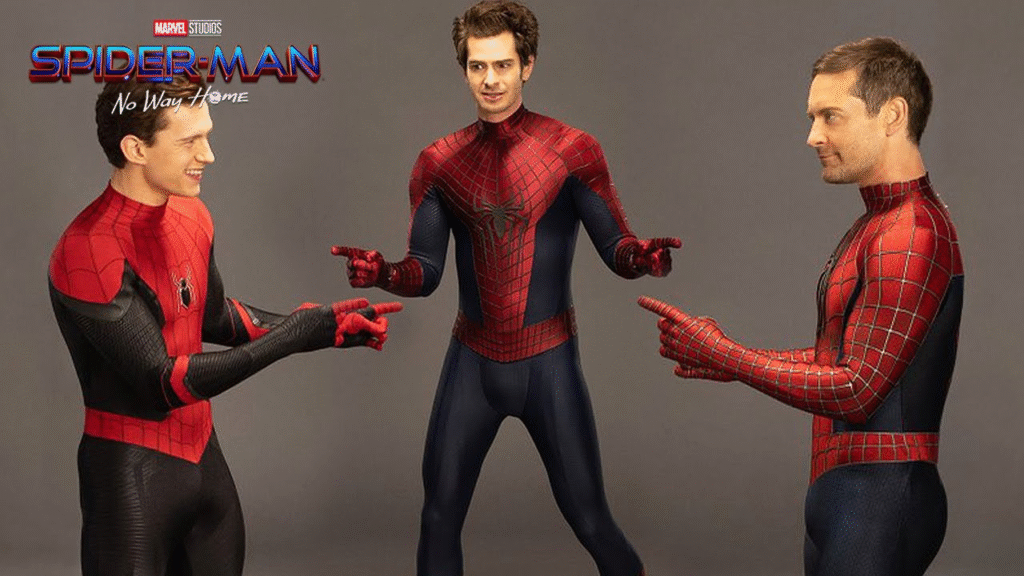
This was not only a pure treat for Spider-Man fans but also indirectly set up for another pivotal chapter in the Spider-Man franchise, Spider-Verse (more on that later). In the end, both companies were able to cross-license character rights without transferring ownership.
IP Insight: No immediate transfer of IP due to a setup deal between companies and Cross-functional licensing with creative, Operational, and strategic constraints.
Result: Through this deal, the Films grossed over $3 billion+ worldwide. Spider-Man’s inclusion into MCU also became beneficial since it helped boost its global brand equity.
Lesson for Tech Execs: You can create win-win opportunities by collaborating in high-value IPs- even with competitors.
Business Lesson for Tech Executives
Spider-Man’s IP Value Chain
Marvel → (Created IP)
⬇
Sold Movie Rights → Sony
⬇
Sony → Creates Films → Merch → Distribution Revenue
⬇
Marvel → Retains Toy & Game Rights
⬇
Joint IP Deal → Shared Films → Shared Revenue
Result:
- Earning Gross revenue over $3 billion
- Expanded both MCU & Sony franchises
- Both companies extracted IP value without full ownership
Conclusion
“With Great Power, Comes Great Responsibility.”
This quote, no matter where we hear it, whether it’s comics, an animated show, or even in a movie, is synonymous with everyone. Spider-Man is one of the rare characters to resonate with us, the average human living a daily life and fighting their villains; we are a Spider-Man of our own lives.
So what’s next for our Superhero?
Sony returned to cinema with their takes on his adventures except without him, like Venom with Tom Hardy playing as the freelance journalist and used-to-be rival to Peter, Eddie Brock, and how he befriended the black Symbiote from outer space, Venom leading to a beloved trilogy and giving a new light to the villain turned Anti-Hero.
Remember when I mentioned Spider-Verse? Sony dabbled into this with the release of the animated feature ‘Spider-Man: Into The Spider-Verse’, bringing new blood like Miles Morales and Spider-Gwen (also known as Ghost Spider) into the mainstream released in 2018 and was also a success because of its unique art style, combining Cel Shading, 3D CG, and Comic book style with graffiti influences and a great soundtrack backed by well known music producer Metro Boomin.
It also got a sequel in 2022, ‘Spider-Man: Across the Spider-Verse’, which also received well and won accolades.
But what about MCU? It’s still going strong with its phase 4; with the next Spiderman installment coming in 2026 with Brand New Day.
What Tech executives can learn from this, though?
- How IPs can be transferred to other companies via sale.
- How IPs can be a bridge between two companies via collaborative projects
- How IPs can be cross-transferred without concern for ownership
- How IPs can be segmented depending on situations out of control.
- How IPs can help maintain relations between companies and even competitors and help them expand in their portfolio and future operations.
IP is not just protection – It’s Programmable Leverage.
Spider-Man became a billion-dollar outcome not because of code, but because of clarity in IP ownership, licensing discipline, and strategic collaboration.
When you’re building products, platforms, or brands- remember:
“You don’t always have to own everything. But you do have to structure IP so it keeps paying you back.”
Leave a Reply